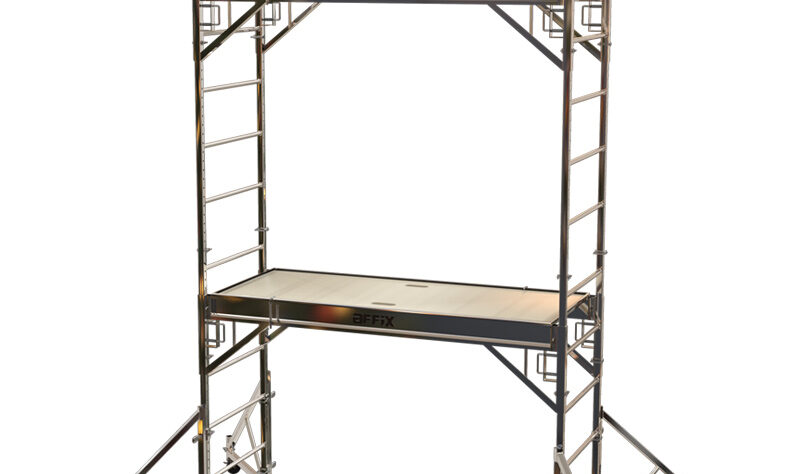
Steel scaffolding remains one of the most trusted access systems across construction, infrastructure, and industrial projects. Its reputation comes from strength, stability, and the ability to support heavy loads under demanding conditions. From high-rise developments to complex maintenance tasks, steel scaffolding provides a reliable working platform that supports both safety and productivity.
Project managers, engineers, and contractors rely on steel systems because they perform consistently under pressure. Unlike lighter materials, steel withstands impact, repetitive loading, and harsh site environments without compromising structural integrity. This reliability makes it a preferred choice for long-term and large-scale projects where failure carries serious consequences.
Buyers evaluating steel scaffolding for sale in Qatar often prioritize durability and compliance with regional safety standards. High temperatures, dust exposure, and demanding industrial activity place extra stress on access equipment. Steel scaffolding meets these challenges through robust design and proven performance.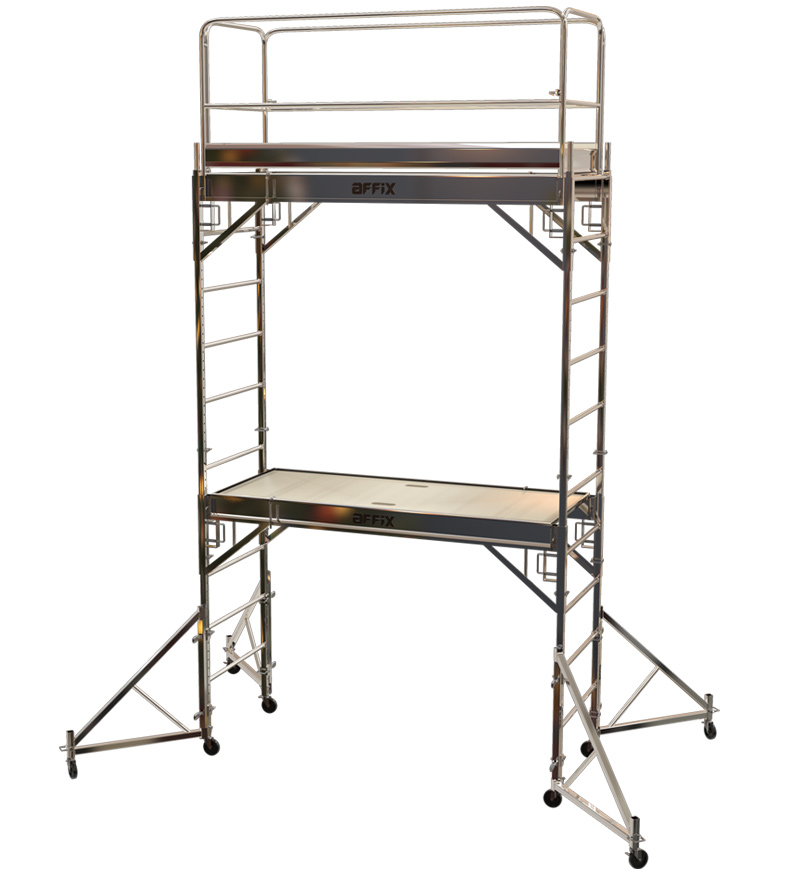
Why Steel Scaffolding Continues to Dominate Worksites?
Steel scaffolding earns trust through predictable behavior. It resists bending, cracking, and sudden failure even under heavy use. This predictability allows engineers to calculate loads accurately and plan work with confidence.
The material also supports modular construction. Standardized tubes, frames, and fittings connect securely, creating stable structures at various heights and layouts. Crews adapt scaffolding to changing site conditions without sacrificing safety.
Steel also tolerates rough handling. On busy sites, equipment moves frequently and encounters impacts. Steel components absorb this abuse better than many alternatives, reducing replacement needs.
Core Components of Steel Scaffolding Systems
Every steel scaffolding structure relies on several key elements that work together to ensure stability and safety.
- Standards: Vertical tubes that transfer loads to the ground
- Ledgers: Horizontal members that connect standards
- Transoms: Cross members that support platforms
- Base plates: Components that distribute load evenly on surfaces
- Bracings: Diagonal members that prevent sway
These components form the backbone of various scaffolding types, each suited to specific applications.
Types of Steel Scaffolding Systems
Steel scaffolding does not follow a single design. Different systems address varying site needs, load requirements, and assembly preferences.
Tube and Coupler Scaffolding
Tube and coupler systems use steel tubes connected with clamps or couplers. This traditional method offers unmatched flexibility.
Crews adjust dimensions easily to fit irregular structures. This adaptability suits complex architectural forms, industrial plants, and refurbishment projects.
Tube and coupler scaffolding supports heavy loads and reaches great heights. Its strength and versatility make it a long-standing favorite for challenging environments.
Frame Scaffolding
Frame scaffolding uses prefabricated steel frames connected by cross braces. This system assembles quickly and suits repetitive layouts.
Construction teams favor frame scaffolding for residential buildings, commercial projects, and interior work. Its simplicity reduces labor time while maintaining stability.
Frame systems work best on level ground and regular façades. They deliver efficiency without sacrificing safety.
Ringlock Scaffolding
Ringlock scaffolding features rosette connectors welded onto vertical standards. Ledgers and braces lock into these rosettes with wedge pins.
This design allows fast assembly and high load capacity. Ringlock systems handle complex structures while maintaining precise alignment.
Industrial plants, bridges, and heavy construction projects often rely on ringlock scaffolding for its speed and strength.
Cuplock Scaffolding
Cuplock systems use cup-shaped connectors that lock ledgers and braces into place. This method reduces loose fittings and speeds up erection.
Cuplock scaffolding supports heavy loads and suits both access and shoring applications. Crews value its efficiency on large projects with tight schedules.
The system performs well in high-rise construction and infrastructure development.
Cantilever Scaffolding
Cantilever scaffolding supports platforms through needles anchored inside structures. This design suits areas where ground support proves impractical.
Steel construction ensures strength and stability despite limited base support. Cantilever systems serve high-rise buildings and congested urban sites.
Careful design and installation ensure safe load transfer back into the structure.
Key Specifications That Define Steel Scaffolding Performance
Specifications determine how steel scaffolding performs under real conditions. Engineers and buyers evaluate several factors before selection.
Load Capacity
Steel scaffolding supports higher loads than many alternatives. Load ratings depend on tube diameter, wall thickness, and system design.
Common load classes range from light-duty access to heavy-duty industrial support. Clear load specifications allow safe planning and prevent overloading.
Material Grade
Steel grade influences strength and durability. High-grade steel resists deformation and fatigue under repeated use.
Quality systems use certified steel that meets recognized standards. This certification ensures consistent performance and safety compliance.
Tube Dimensions
Standard steel tubes often measure 48.3 mm in diameter. Wall thickness varies based on load requirements.
Thicker walls support heavier loads and resist impact damage. Proper selection balances strength with handling efficiency.
Surface Finish
Steel scaffolding features different finishes to protect against corrosion. Painted, powder-coated, and galvanized options address various environments.
Galvanized steel offers superior corrosion resistance, making it suitable for outdoor and industrial use.
Surface finish also affects maintenance requirements and service life.
Applications Across Construction Sectors
Steel scaffolding adapts to a wide range of applications, supporting diverse construction and maintenance needs.
Building Construction
High-rise and low-rise buildings rely on steel scaffolding for façade access, masonry work, and structural installation.
The system supports multiple trades simultaneously, improving coordination and reducing delays.
Infrastructure Projects
Bridges, flyovers, and tunnels demand heavy-duty access systems. Steel scaffolding handles high loads and complex geometries with confidence.
Its strength supports formwork, shoring, and inspection tasks throughout project phases.
Industrial Maintenance
Factories, refineries, and power plants require scaffolding that withstands harsh conditions. Steel performs reliably under heat, vibration, and mechanical stress.
Maintenance teams rely on steel platforms for safe access during shutdowns and repairs.
Oil and Gas Facilities
Steel scaffolding supports demanding operations in oil and gas environments. High load capacity and modular design suit pipe racks, vessels, and offshore structures.
Proper coatings enhance resistance to corrosive atmospheres.
Shipbuilding and Marine Work
Shipyards use steel scaffolding for hull access, painting, and repairs. Strength and adaptability support work on curved and irregular surfaces.
Marine-grade finishes protect against salt exposure.
Safety Features That Support Secure Operations
Steel scaffolding integrates safety features that protect workers at height.
- Guardrails prevent falls
- Toe boards stop tools from dropping
- Non-slip platforms improve footing
- Secure couplers maintain rigidity
Proper installation and inspection ensure these features perform as intended.
Assembly and Dismantling Efficiency
Modern steel scaffolding systems focus on ease of assembly. Modular components reduce complexity and speed up erection.
Efficient assembly saves labor hours and supports tight schedules. Clear connection points and standardized parts reduce errors.
Dismantling follows the same efficiency, allowing quick relocation or storage.
Durability and Long-Term Use
Steel scaffolding withstands years of service when maintained properly. Resistance to impact and fatigue supports repeated use across projects.
Durable systems reduce replacement frequency and support sustainable asset management.
Long service life also improves return on investment.
Maintenance Requirements
Steel scaffolding requires regular inspection to ensure safety. Crews check for bent tubes, worn couplers, and surface damage.
Protective finishes reduce corrosion-related maintenance. Prompt repair extends service life and maintains load capacity.
Well-maintained systems perform reliably throughout their lifespan.
Storage and Transport Considerations
Steel components stack efficiently for storage. Standard sizes simplify inventory management.
Transport requires proper handling to prevent damage. Steel’s toughness reduces risk during loading and unloading.
Efficient logistics support faster project mobilization.
Cost Factors and Value Assessment
Cost evaluation goes beyond purchase price. Steel scaffolding delivers value through durability, strength, and adaptability.
Reduced replacement and repair costs offset initial investment. Reliable performance minimizes downtime and project delays.
High resale value also contributes to long-term financial efficiency.
Environmental and Sustainability Aspects
Steel supports sustainability through recyclability. At the end of service life, steel components recycle without losing material quality.
Long-lasting systems reduce waste and resource consumption.
Responsible maintenance further extends environmental benefits.
Choosing the Right Steel Scaffolding System
Selection depends on project scope, load requirements, and site conditions. Engineers assess height, access needs, and environmental factors.
Matching system type to application ensures safety and efficiency. Proper planning prevents overdesign or underperformance.
Consultation with experienced teams supports informed decisions.
Advantages That Keep Steel Scaffolding Relevant
- High load-bearing capacity
- Strong resistance to impact and fatigue
- Modular adaptability for complex structures
- Long service life with proper care
- Compatibility with safety accessories
These advantages maintain steel scaffolding’s relevance across evolving construction demands.
Supporting Productivity on Busy Sites
Reliable access equipment keeps work moving. Steel scaffolding supports multiple trades without constant adjustment.
Stable platforms allow crews to focus on tasks rather than access concerns. This focus improves output and quality.
Predictable performance supports accurate scheduling and coordination.
Managing Risk Through Proven Systems
Risk management plays a central role in construction planning. Steel scaffolding reduces uncertainty through established design principles.
Clear specifications and load ratings support safe use. Regular inspections maintain confidence across project phases.
Proven systems reduce incident rates and protect project timelines.
Adapting to Complex Architectural Designs
Modern architecture introduces curves, overhangs, and unconventional shapes. Steel scaffolding adapts through adjustable components and flexible layouts.
Tube and coupler systems excel in these scenarios, allowing precise alignment with structures.
Adaptability supports creativity without compromising safety.
Meeting Regulatory and Inspection Requirements
Regulatory bodies expect compliance with safety standards. Steel scaffolding meets these expectations through tested designs and certified materials.
Inspection processes proceed smoothly when systems follow recognized specifications.
Compliance protects companies from penalties and work stoppages.
The Practical Role of Steel Scaffolding Moving Forward
Construction continues to evolve, yet the need for strong, dependable access remains constant. Steel scaffolding fulfills this role through proven performance and adaptability.
Its ability to support heavy loads, complex designs, and demanding environments ensures ongoing relevance.
For professionals seeking reliable access solutions, steel scaffolding stands as a practical, time-tested choice that supports safety, efficiency, and long-term value across diverse applications.