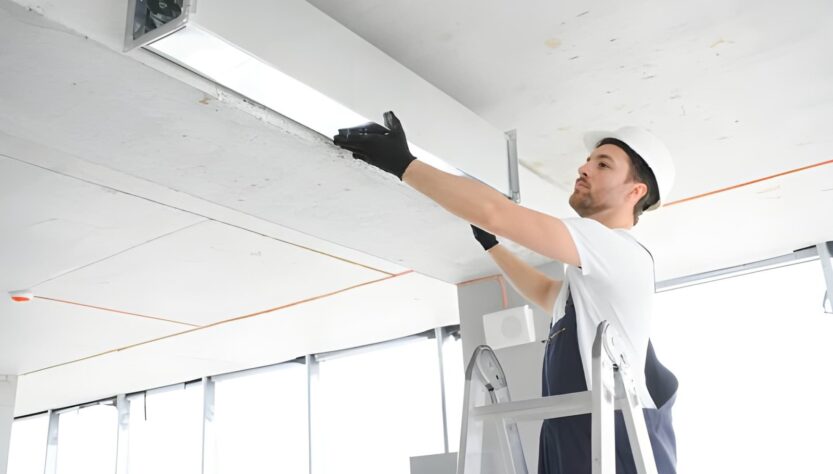
If you’ve got ducted heating in your home, you already know how much of a game-changer it is during those cold Australian winters. There’s nothing quite like walking into a warm, evenly heated home when it’s bleak and freezing outside. But here’s the thing — that comfort doesn’t come without responsibility. Like any major home system, your ducted heater needs regular care and attention to keep it running at its best.
The reality is, ducted heating systems are a significant investment. A full ducted heating repair and replacement job can set you back thousands of dollars, and in many cases, those costs are entirely avoidable with proper maintenance. Whether you’re in Melbourne dealing with bitter July mornings, or anywhere else in southern Australia where winters bite hard, keeping your heating system in good nick is one of the smartest things you can do as a homeowner.
So, let’s get into it. Here are the top five tips for maintaining your ducted heating system and steering clear of those nasty, expensive repair bills.
Tip 1: Clean and Replace Your Filters Regularly
This one sounds simple — because it is. And yet, it’s the most commonly neglected aspect of ducted heating maintenance across Australian homes.
Your ducted heating system has a filter (sometimes more than one) that catches dust, pet hair, pollen, and other airborne particles before they make their way into the system. Over time, that filter gets clogged. When it’s clogged, your system has to work significantly harder to push warm air through your home, which puts stress on the motor, reduces efficiency, and drives up your energy bills. In serious cases, a blocked filter can cause the system to overheat and shut down entirely — or worse, cause long-term damage to internal components.
What you should do: Check your filter at least every one to three months, particularly during peak heating season. Most filters can be removed and cleaned with a vacuum or a gentle rinse under the tap. If yours is worn, torn, or no longer trapping debris effectively, replace it. Replacement filters are inexpensive and widely available — a small upfront cost compared to what a neglected filter can cost you down the track.
If you’re not sure where your filter is located or how to access it, check your system’s manual or ask your technician to show you at your next service.
Tip 2: Schedule an Annual Professional Service
There’s only so much a homeowner can do on their own. While keeping filters clean is well within the DIY zone, the inner workings of a ducted heating system — the heat exchanger, the burners, the flue, the electrical components — require a trained eye and professional tools.
An annual service carried out by a licensed heating technician is your best insurance against unexpected breakdowns and premature ducted heating repair and replacement costs. During a professional service, your technician will inspect and clean the burners, check the heat exchanger for cracks (a cracked heat exchanger can leak carbon monoxide — a serious safety hazard), test all electrical connections, verify that the thermostat is calibrated correctly, check for gas leaks, and assess the overall health of the system.
What you should do: Book your annual service in late summer or early autumn — before the cold weather sets in and demand for heating technicians spikes. Getting in early means you’re not scrambling for an appointment when the temperature drops and every other household in the suburb is suddenly ringing their heating company.
Think of it like a car service. You wouldn’t drive your car for years without a service and hope for the best. Your ducted heating system deserves the same proactive approach.
Tip 3: Keep Your Vents and Ducts Clean and Unobstructed
Your ducted heating system distributes warm air throughout your home via a network of ducts and vents. For this to work efficiently, those pathways need to be clear. Blocked or dirty vents are a surprisingly common cause of uneven heating, increased energy consumption, and unnecessary strain on the system.
Over time, dust and debris can accumulate inside your ductwork. If you’ve got pets, young kids, or a particularly dusty environment, this can happen faster than you’d expect. Blocked vents also create pressure imbalances in the system, which can lead to premature wear on the fan motor and other components.
What you should do: Do a walk-through of your home every few months and check that all your supply and return vents are open and unobstructed. It’s a common misconception that closing vents in unused rooms saves energy — it actually increases pressure in the system and can cause damage over time. Keep them open.
For the ductwork itself, consider having your ducts professionally cleaned every three to five years, or sooner if you notice musty smells, excess dust around the vents, or reduced airflow. Duct cleaning is a specialised service, but it’s far less costly than dealing with a damaged system or the health impacts of poor indoor air quality.
Tip 4: Pay Attention to Warning Signs — Don’t Ignore Them
Your ducted heating system will usually give you plenty of warning before it reaches breaking point. The problem is, many homeowners brush off the early signs or put off getting them checked out, which turns a small, affordable fix into a major ducted heating repair and replacement situation.
Here are the warning signs you should never ignore:
Unusual noises. Banging, rattling, squealing, or rumbling sounds coming from your system are not normal. These noises often indicate loose components, a failing motor, or issues with the fan. Catching them early can save you from a much more serious repair.
Uneven heating. If some rooms in your home are warm and others are cold, this could point to blocked ducts, a failing zone motor, or issues with airflow. It’s worth investigating rather than assuming it’s just “the way the system is.”
Higher energy bills. If your gas or electricity bills are creeping up without any obvious change in usage habits, your heating system may be running inefficiently. A struggling system uses more energy to achieve the same result.
Short cycling. If your system keeps switching on and off in quick succession rather than running through a full heating cycle, this is known as short cycling and is a sign that something isn’t right — often a thermostat issue or a problem with the heat exchanger.
Pilot light or ignition problems. If your gas heater’s pilot light keeps going out, or the system is slow to ignite, don’t keep relighting it and hoping for the best. This is a red flag that requires professional attention.
What you should do: If you notice any of these signs, call a licensed heating technician promptly. The longer you wait, the more likely a manageable issue will develop into a system-wide problem. Acting early almost always means a cheaper, faster fix.
Tip 5: Think About Your System’s Age and Plan Ahead
Even the best-maintained ducted heating system has a finite lifespan. Most quality systems, when properly maintained, will last between 15 and 20 years. But as a system ages, it becomes less efficient, more prone to breakdowns, and increasingly costly to repair.
If your system is approaching or past the 15-year mark, it’s worth having an honest conversation with your heating technician about whether continued repairs are the right call or whether it’s time to start planning for a replacement. This isn’t always a fun conversation — nobody wants to hear they need to replace a major home system — but being proactive puts you in a much better position than waiting for the system to fail on the coldest night of the year.
Modern ducted heating systems are significantly more energy-efficient than older models, which means a new system can actually pay for itself over time through lower running costs. And with advances in zoning technology and smart thermostat integration, today’s systems offer far better comfort and control than what was available even a decade ago.
What you should do: Keep a record of your system’s age, service history, and any repairs that have been carried out. This information helps your technician give you an accurate picture of the system’s health and remaining lifespan. If you’re starting to see repair costs stack up year after year, it’s often more economical in the long run to invest in a new system rather than continuing to pour money into an ageing one.
When ducted heating repair and replacement does become necessary, getting multiple quotes from reputable companies and understanding exactly what’s included in the scope of work will help you make an informed decision.
The Bottom Line
Your ducted heating system is one of the most important — and most used — appliances in your home, particularly in the colder months. Treating it with the care it deserves isn’t just about staying comfortable; it’s about protecting a significant financial investment and avoiding the disruption of unexpected breakdowns.
The five tips outlined above — keeping filters clean, scheduling annual professional services, maintaining clear vents and ducts, paying attention to warning signs, and planning ahead for your system’s lifespan — are straightforward, practical steps that any homeowner can take. None of them require a huge time commitment or upfront cost, but together they can make a genuine difference to how long your system lasts and how reliably it performs.
When ducted heating repair and replacement does become unavoidable, choosing a licensed, experienced technician you trust will make the whole process far less stressful. But with the right maintenance habits in place, you’ll be giving your system the best possible chance of serving your home well for many winters to come.
Stay warm out there — and don’t wait until something breaks to start paying attention.