Music has always been a defining force of New York’s character. The city hums with the energy of artistic ambition, and nowhere is that more evident than within its piano studios. From the echo of grand pianos in historic brownstones to the modern rhythm of electronic keyboards in loft apartments, piano lessons in New York offer more than instruction—they offer transformation.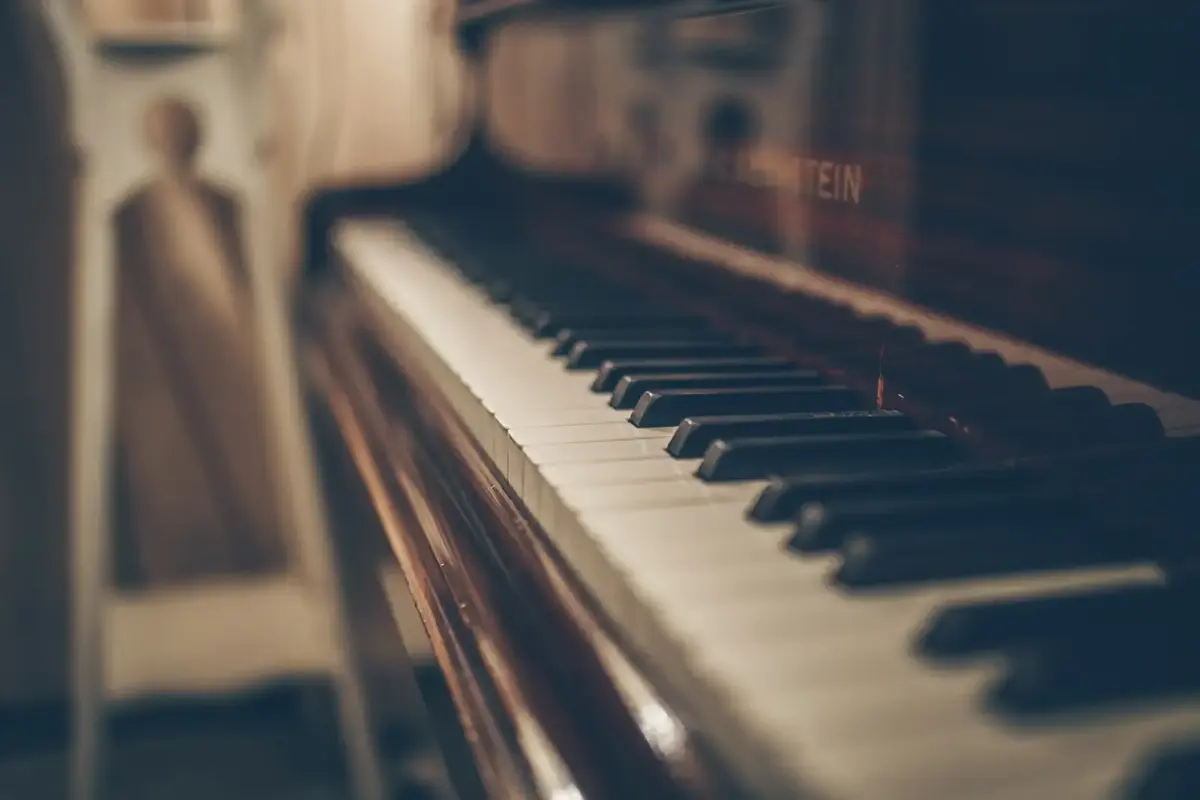
For anyone pursuing the piano seriously, New York’s environment provides a rare combination of discipline, diversity, and depth. It’s not merely about pressing keys in sequence; it’s about shaping emotion, timing, and tone into something that lives and breathes.
The Musical Landscape of New York
Every corner of New York has a story—and a sound. Harlem jazz bars, Upper West Side conservatories, Brooklyn art collectives, and Queens community centers all nurture different shades of piano artistry. This diversity has created a musical ecosystem where a beginner can sit beside a concert pianist, both united by their search for mastery.
The essence of piano lessons in New York lies in this cultural exchange. Teachers bring influences from classical conservatories, jazz institutions, film scoring, and even contemporary production studios. Students bring passion, perspective, and persistence. Together, they create an atmosphere that bridges the technical and the emotional—a hallmark of musical excellence.
The Soul of Piano Education
At the heart of every pianist’s growth is mentorship. Piano lessons in New York reflect a philosophy that music is not taught—it is cultivated. Lessons often begin with building a relationship between teacher and student, shaping an approach that fits personality and purpose.
A professional pianist might focus on finger strength, voicing, and interpretation, while a hobbyist may prioritize creativity, improvisation, or stress relief. The adaptability of piano lessons across New York ensures no two students follow the same path.
Key elements often emphasized include:
- Tone Control: The balance between dynamics, pressure, and phrasing.
- Rhythmic Accuracy: Essential for both classical and contemporary performance.
- Sight-Reading: Enhancing fluency and adaptability.
- Interpretation: Developing emotional connection with the piece.
- Improvisation: Encouraging freedom within structure.
Each lesson becomes a dialogue—between student and instrument, between intention and execution.
Classical Roots, Contemporary Wings
New York has always been a crossroads of musical evolution. While many piano lessons here preserve classical tradition, there’s an equal emphasis on modern styles. A typical week in a New York studio might include Bach in the morning, Bill Evans in the afternoon, and Alicia Keys by evening.
This blend creates pianists who are versatile—comfortable performing at a recital, composing for film, or collaborating with electronic producers. Teachers trained in classical techniques often integrate modern harmony, jazz voicings, and popular music theory to ensure students develop a broad musical vocabulary.
For those pursuing professional performance, lessons might dive into:
- Advanced Technique Development – refining articulation and finger independence.
- Interpretive Analysis – exploring historical context and composer intent.
- Performance Psychology – building mental endurance and confidence.
- Collaborative Musicianship – rehearsing with ensembles, choirs, or orchestras.
In contrast, casual learners might explore songwriting, chord progressions, and digital production, shaping piano skills into a creative outlet.
The Discipline Behind the Art
Piano lessons in New York are rigorous. The city’s artistic competition pushes both teachers and students to uphold high standards. Consistent practice, precision, and patience form the foundation of progress.
The path of a pianist is not defined by speed but by consistency. One hour of mindful practice can outweigh four hours of mechanical repetition. Teachers across New York emphasize mindful engagement—listening to tone, feeling tension, and refining small movements.
A structured approach often includes:
- Warm-Up Routines: Scales, arpeggios, and technical exercises.
- Etudes and Studies: Focused work on agility, phrasing, and expression.
- Repertoire Practice: Building interpretative depth through curated pieces.
- Improvisational Work: Enhancing creativity and ear training.
- Reflection and Review: Evaluating tone, balance, and musicality.
Such structure cultivates self-discipline—a quality as vital in performance as in daily life.
The Environment of Inspiration
New York’s energy shapes its pianists. The same drive that fuels the city’s arts scene also infuses its piano culture. Walking into a studio in Manhattan or Brooklyn, one often hears fragments of Chopin drifting from one room and jazz riffs from another.
Performances are abundant. Students often have access to open recitals, community concerts, or masterclasses hosted by visiting artists. These opportunities reinforce the connection between practice and performance—transforming solitary learning into public artistry.
Even for private learners, the city itself becomes a classroom. The Metropolitan Opera, Lincoln Center, and intimate jazz lounges all serve as living textbooks. Listening to live performances teaches phrasing, timing, and presence in ways no sheet music ever could.
Technique Meets Emotion
The most refined pianists in New York share one common trait: the ability to merge precision with emotion. Piano lessons across the city often emphasize this harmony—reminding students that technical mastery must always serve expression.
For instance, a teacher might spend weeks on pedaling technique not for mechanical perfection but to enhance the emotional impact of a piece. Similarly, dynamic control exercises often aim to teach how to whisper or thunder through the keys with intent.
This is where artistry takes root. New York’s music educators value individuality over imitation. Every pianist, regardless of level, is encouraged to find their own sound—a fingerprint made audible through practice and passion.
The Role of Technology in Modern Piano Learning
The evolution of piano education in New York has embraced technology without compromising tradition. Digital pianos, notation software, and recording tools are now part of the teaching experience. Online hybrid sessions have become common, allowing students to continue lessons seamlessly between studio visits.
Recording technology allows students to analyze phrasing, timing, and dynamics with precision. Some teachers even integrate MIDI tools to visually track performance metrics—helping students correct subtle timing or velocity inconsistencies.
This combination of tradition and innovation has created an environment where artistic intuition meets analytical precision. Students not only play—they study sound as engineers of emotion.
The Psychology of Practice
A unique aspect of piano lessons in New York lies in the emphasis on mental conditioning. Teachers understand that performance anxiety, motivation lapses, and perfectionism can hinder progress as much as poor technique.
To counter this, lessons often include discussions on mental habits—how to practice mindfully, how to break complex passages into manageable segments, and how to maintain joy in repetition.
Common strategies include:
- Setting specific, achievable goals for each session.
- Dividing repertoire into small, focused sections.
- Recording practice sessions for self-assessment.
- Using visualization to internalize hand movement and phrasing.
- Incorporating rest as part of skill retention.
The process teaches resilience as much as it teaches music. Pianists trained in this way often carry these mental skills into every aspect of their careers.
From Student to Performer
New York’s musical education system naturally encourages performance. Recitals, auditions, and local showcases are not treated as tests but as extensions of learning. Students discover how to manage nerves, connect with audiences, and translate their practice into expressive storytelling.
A performance-oriented curriculum often includes:
- Stage Preparation: Physical posture, breathing, and presentation.
- Repertoire Curation: Selecting pieces that reflect skill and emotion.
- Memory Development: Strengthening recall through associative practice.
- Feedback Integration: Applying critique constructively.
Through these experiences, piano lessons in New York cultivate confidence. The city’s vibrant music scene ensures that every pianist, whether novice or professional, has a platform to express their evolution.
Building a Lifelong Relationship with Music
One of the most remarkable aspects of piano instruction in New York is the focus on longevity. Many instructors view their work not as producing prodigies but as nurturing lifelong musicians.
For children, lessons become a foundation for discipline and creativity. For adults, they offer a form of introspection and expression that transcends language. Even retirees find piano lessons a source of joy, keeping both mind and spirit active.
Music becomes a constant companion—an evolving conversation rather than a fixed achievement. Whether pursuing Carnegie Hall or personal satisfaction, students leave their lessons with more than skill; they leave with perspective.
The City as a Musical Mentor
New York itself teaches. The sound of a street performer’s improvisation, the echo of piano chords from a rehearsal room window, the rhythm of subways—all contribute to a pianist’s awareness of sound and timing.
Piano lessons here are not confined to classrooms; they are shaped by the city’s pulse. The constant exposure to excellence raises expectations. Musicians grow through osmosis, influenced by the sheer density of talent and passion surrounding them.
This cultural immersion builds an ear for nuance. Students begin to hear the city as music—a composition of chaos and harmony, teaching phrasing and rhythm without a single note on paper.
Why Piano Lessons in New York Stand Apart?
Piano instruction exists everywhere, but in New York, it thrives within a unique cultural fabric. The combination of diversity, rigor, and opportunity creates an educational environment unlike any other.
Some defining qualities include:
- Global Influence: Teachers and students from around the world bring distinct perspectives.
- Cross-Genre Collaboration: Classical, jazz, pop, and experimental forms coexist fluidly.
- Performance Access: Endless venues and competitions inspire consistent growth.
- Professional Integration: Many instructors are active performers, composers, or arrangers.
- Cultural Relevance: Music connects to art, theater, and urban rhythm seamlessly.
This multidimensional environment ensures that piano lessons in New York are never static—they evolve with the city’s heartbeat.
The Legacy of Sound
Generations of pianists have passed through New York’s studios, leaving echoes that still inspire. The lineage of artistry stretches from immigrant musicians teaching in small apartments to internationally acclaimed performers refining their craft in prestigious conservatories.
What unites them is not fame but devotion—the shared commitment to expressing life through keys and harmonies. Piano lessons in New York continue this tradition, reminding every student that music is both a personal and collective legacy.
The Endless Pursuit of Expression
Mastering the piano is not about arriving at perfection but deepening connection—with sound, self, and audience. New York’s piano education culture captures this essence perfectly.
Each lesson becomes a meditation on balance: technique and intuition, discipline and emotion, solitude and performance. The result is not only skilled musicians but thoughtful artists who understand that every note carries intention.
For those who study here, piano lessons in New York are more than a routine. They are an invitation to participate in a living art form, to find meaning within sound, and to contribute to a legacy that has shaped the city’s identity for generations.
Closing Reflection
From uptown rehearsal halls to downtown loft studios, the piano remains a voice that transcends boundaries. New York continues to nurture that voice with the same intensity that drives its culture forward.
Whether one seeks mastery or solace, piano lessons in New York offer both—a path not only toward musical excellence but toward a deeper sense of self-expression. Each keystroke becomes part of the city’s ongoing composition, resonating through time with clarity, emotion, and purpose.