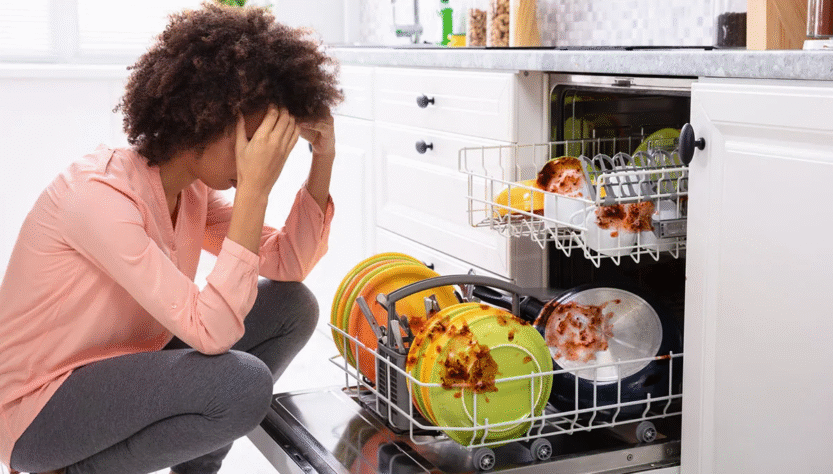
There’s nothing quite as frustrating as loading up your dishwasher after a big meal, only to discover it’s not working properly. Whether it’s leaving dishes dirty, refusing to drain, or making strange noises, dishwasher problems can disrupt your daily routine and leave you facing a sink full of dirty plates. The good news is that many common dishwasher issues can be fixed without calling a professional, saving you both time and money.
Before you reach for the phone to schedule a repair, it’s worth understanding what might be going wrong with your appliance. Most dishwasher problems stem from simple issues like clogged filters, blocked spray arms, or improper loading. With a bit of troubleshooting and some basic tools, you can often get your dishwasher back to peak performance in no time. However, if you’re dealing with a high-end appliance or encounter complex electrical or mechanical issues, it’s always wise to seek expert help, such as miele dishwasher repair in Brisbane, to ensure your warranty remains valid and the job is done safely.
Let’s explore the five most common dishwasher problems homeowners face and walk through practical solutions you can try yourself.
1. Dishes Come Out Dirty or Cloudy
One of the most common complaints about dishwashers is that dishes aren’t coming out clean. If you’re noticing food particles stuck to plates or a cloudy film on your glassware, several factors could be at play.
Start by checking your spray arms. These rotating arms distribute water throughout the dishwasher, and if they’re clogged with food debris or mineral deposits, water can’t reach all your dishes effectively. Remove the spray arms and rinse them under hot water, using a toothpick to clear any blocked holes. Next, inspect your dishwasher filter, typically located at the bottom of the tub. A clogged filter is one of the primary culprits behind poor cleaning performance. Remove it, rinse away any debris, and scrub it with warm, soapy water.
You should also consider your detergent. Using too little detergent, expired detergent, or the wrong type for your water hardness can leave dishes dirty. Try switching brands or using a rinse aid to combat hard water spots. Finally, avoid overloading the dishwasher, as this prevents water from reaching all surfaces.
2. The Dishwasher Won’t Drain
Standing water at the bottom of your dishwasher is not only unpleasant but can also lead to unpleasant odors and prevent the appliance from functioning properly. Fortunately, drainage issues are often easy to fix.
Begin by checking the drain filter and removing any food particles or debris that might be blocking it. Next, examine the drain hose, which connects your dishwasher to your home’s plumbing. Make sure it’s not kinked, twisted, or clogged. You can disconnect the hose and run water through it to check for blockages. Also, check your garbage disposal if your dishwasher drains through one. A clogged disposal can prevent water from draining properly, so run it to clear any obstructions.
If these simple fixes don’t work, the drain pump might be faulty or blocked. You can access the pump by removing the lower spray arm and filter, then check for any debris wrapped around the impeller. If the pump itself is damaged, it may need professional replacement.
3. The Dishwasher Is Leaking
Water pooling around your dishwasher can cause damage to your flooring and cabinets, making leaks a problem you’ll want to address immediately. The most common causes of leaks are worn door seals, loose connections, or oversuading detergent.
Inspect the rubber gasket around the door for cracks, tears, or food buildup that might prevent a proper seal. Clean the gasket with warm, soapy water and replace it if damaged. Check that the door closes securely and that the latch is working correctly. Sometimes, using too much detergent or the wrong type creates excessive suds that overflow from the dishwasher, so stick to the recommended amount of detergent designed for automatic dishwashers.
Also examine the water inlet valve and hoses for any signs of looseness or damage. Tightening connections or replacing worn hoses can often solve the problem.
4. The Dishwasher Won’t Start
When your dishwasher refuses to turn on, it’s natural to assume the worst, but the solution might be simpler than you think. First, ensure the dishwasher is properly plugged in and that your home’s circuit breaker hasn’t tripped. Check that the door is completely closed and latched, as most dishwashers have safety mechanisms that prevent operation when the door is ajar.
Examine the control panel for any error codes or blinking lights that might indicate specific problems. Sometimes, running a reset by turning off the power for a few minutes can resolve electronic glitches. If your dishwasher has a child lock feature, make sure it hasn’t been accidentally activated.
5. Strange Noises During Operation
While dishwashers aren’t silent appliances, unusual grinding, rattling, or humming sounds indicate something’s wrong. Often, these noises come from objects that have fallen into the pump area or spray arms hitting dishes.
Check that dishes are loaded properly and not blocking the spray arms’ rotation. Remove the lower rack and inspect the pump area for any foreign objects like broken glass, bones, or utensils. Sometimes, worn wash arm bearings or a failing pump motor can cause noise, which may require professional attention.
By tackling these common issues yourself, you can extend your dishwasher’s lifespan and avoid costly repair bills. However, always prioritize safety and don’t hesitate to call a professional when needed.