The most frequent and challenging issue encountered by many Australian homeowners is a blocked drain. Whether it’s a slow-draining sink, a backed-up toilet, or a clogged shower, these problems can disrupt your routine and cause frustration. Understanding the root cause of blockages helps prevent them and guides you on when to seek professional help. In this guide, we’ll explore the common causes of blocked drains and provide practical tips, including DIY Yard Drainage Solutions to Fix Water Problems Fast, to keep your plumbing system flowing smoothly.
Understanding the Problem: Why Blocked Drains Matter
A blocked drain can lead to serious consequences if left unaddressed. Water backing up into your home can damage property, create unhygienic conditions, and result in costly repairs. Blocked drain systems can also cause foul odours, attract pests, and damage the structural integrity of your pipes over time.
Blocked drains can be problematic for Craigieburn residents, where older and newer properties stand side by side. Knowledge of common cause of blocked drains help in taking preventative action and avoid emergency calls to plumbers at midnight or weekends.
The Most Common Cause of Blocked Drains: Hair
When asking what is the most common cause of blocked drains? the answer is almost always hair. Hair accumulation is responsible for the majority of drain blockages in Australian homes, in bathroom drains, shower drains, and laundry drains. This substance becomes a major problem when it combines with soap residue, grease, and other materials flowing through your pipes.
Why Hair Is Such a Problem
Like many materials, hair doesn’t dissolve in water. It clumps together to trap other debris and create blockage that grow larger over time.A single strand of hair might pass through your drain without issue, but dozens of strands create a tangled mass that restricts water flow. Hair combines with soap scum and oils to form a dense plug that can completely stop water movement.
The human hair, pet hair, and soap residue are the cause of bathroom drain blockage. You may experience more drain blockages than usual, if you have long hair or pets that shed hair frequently. The warm water in shower drains can soften hair to make it stickier and prone to pipe walls.
How Hair Builds Up Over Time
Hair accumulation is not an overnight happening process. Your hair in small amounts tend to slip down your drain every day that results in bigger issue of drain blockage over time. It doesn’t give any signal at the initial level, but over weeks and months, these strands combine to form a substantial blockage. By the time you notice slow drainage, there’s a significant mass of hair and other debris accumulated in your pipes.
Other Common Causes of Blocked Drains
As hair is the primary or basic culprit, but there are several other accountable factors contributing to blocked drains in Australian homes. Understanding these will help you take comprehensive preventative measures.
Soap Scum and Grease
The second most common cause of blocked drains in bathroom and kitchen drains is soap residue and grease. Soap and grease solidify inside pipes to create a sticky layer on pipe walls. It traps other debris, with hair, food particles, and mineral deposits, creating stubborn blockages that are difficult to remove.
Grease formed during cooking accumulate in pipes over time in kitchen. Many Australian homeowners mistakenly pour cooking oil and grease down the drain, thinking hot water will dissolve it. Once the grease cools in the pipes, it hardens and becomes a significant obstruction.
Food Waste and Kitchen Debris
Kitchen drains are susceptible to blockages from food waste. Vegetable peelings, coffee grounds, rice, pasta, and other food items shouldn’t go down your drain. Even with a sink strainer in place, small food particles can accumulate and contribute to blockages. This is true if you don’t have a garbage disposal or use your sink as a disposal unit.
Tree Roots
For residents in Craigieburn and other Australian suburbs with mature trees, tree root intrusion is a serious concern. Tree roots are attracted to moisture and nutrients in sewage pipes. Over time, roots can penetrate small cracks in pipes, grow inside them, and cause severe blockages. This is the culprit behind recurring or persistent blockages that simple drain cleaning doesn’t resolve.
Mineral Buildup and Scale
In areas with hard water, mineral deposits can accumulate inside pipes. These deposits narrow the pipe diameter over time, reducing water flow capacity and making blockages more likely. This type of buildup is seen in older homes with galvanised pipes and is common in certain regions of Australia.
Foreign Objects
Children’s toys, jewellery, coins, and other objects accidentally dropped into drains can cause blockages. Feminine hygiene products, nappies, cotton buds, and dental floss should never go down toilets, yet these items are responsible for serious blockages. Even flushable products marked on packaging contribute to blocked drains and should be avoided.
Pipe Deterioration
Older pipes can collapse, crack, or become misaligned, creating blockages and preventing proper water flow. In Craigieburn, where many properties have been established for decades, ageing pipes are a common cause of blocked drains. Corroded pipes may also have rough interior surfaces that catch and hold debris.
Prevention Strategies for Blocked Drains
Understanding the common cause of blocked drains empowers you to take preventative action. Here are practical steps you can take to avoid blockages:
Install Drain Strainers and Screens
Use drain strainers in all your sinks, showers, and tubs to catch hair and debris before they enter your pipes. These inexpensive devices are effective at preventing the most common cause of blocked drains. Clean the strainers to maintain their effectiveness.
Never Pour Grease Down the Drain
Allow cooking grease and oil to cool, then dispose of it in the bin or a dedicated container. Wipe greasy pans with paper towels before washing them. This single practice can reduce kitchen drain blockages.
Be Mindful of What Goes Down Toilets
Only human waste and toilet paper should go down your toilet. Don’t flush feminine hygiene products, nappies, cotton buds, dental floss, or other items, regardless of what their packaging claims about flushability.
Use Enzyme Drain Cleaners Regularly
Enzymatic drain cleaners break down organic matter and help prevent buildup. Using these monthly can reduce blockage problems. They’re safer than harsh chemical cleaners and gentler on your pipes.
Trim Tree Branches
If you have trees near your property, ensure branches are trimmed back and roots aren’t encroaching on your plumbing. Regular inspection can identify root problems before they become severe.
Flush Your Drains with Hot Water
Periodically flush your drains with hot water to help dissolve soap scum and grease. This simple maintenance task takes just a few minutes but can prevent many blockages.
Use Drain Guards
Prevent hair from entering your drains by using shower drain guards and hair catchers. These devices make it easy to remove hair before it has a chance to cause problems.
When to Call a Professional
While prevention is ideal, sometimes blockages still occur. If you’re experiencing persistent slow drainage or complete blockages, it’s time to call a professional plumber. In the Craigieburn area, a qualified plumber experienced with local plumbing issues can diagnose and resolve blocked drains efficiently.
Signs you need professional help include:
- Water backing up into your home
- Multiple drains blocked
- Foul odours coming from drains
- Recurring blockages in the same location
- Visible damage to pipes or drainage infrastructure
Professional plumbers have access to specialised equipment like drain cameras, high-pressure water jets, and professional drain cleaning tools that can address even stubborn blockages caused by the common cause of blocked drains.
Professional Drain Cleaning Methods
If you have blocked drains in Craigieburn or elsewhere, professionals use several methods to clear them:
Mechanical Drain Cleaning
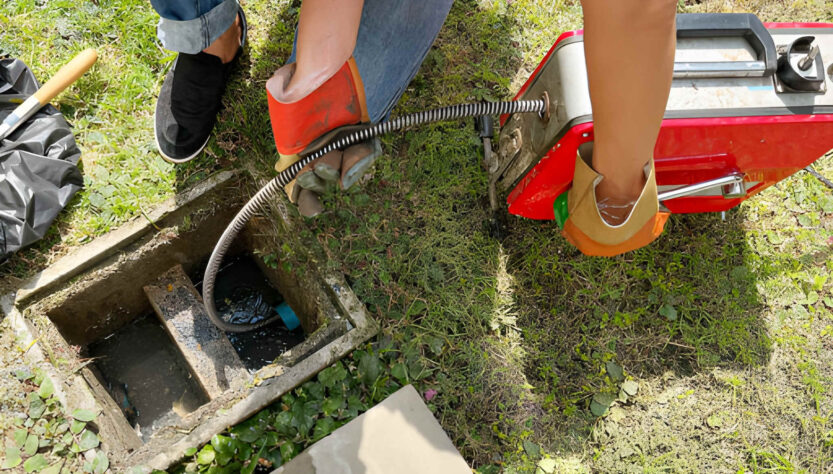
A motorised cable or plumbing snake is fed through the drain to break apart blockages. This method is effective for many types of clogs and is the first approach used.
High-Pressure Water Jetting
This advanced technique uses pressurised water to blast away blockages and clean pipe walls. It’s effective for grease buildup and is gentler on older pipes than mechanical methods.
Drain Camera Inspection
Before deciding on treatment, plumbers use small cameras to inspect the interior of your pipes. This identifies the exact location and nature of the blockage, allowing for targeted solutions.
Chemical Treatments
Professional-strength drain cleaners can be used safely by trained technicians. These are more effective than consumer products but should only be handled by professionals due to safety concerns.
The Cost of Ignoring Blocked Drains
Ignoring blocked drains can lead to expensive problems. Water backing up can damage your home’s foundation, create ideal conditions for mould growth, and require costly repairs. In severe cases, pipes may need complete replacement. Addressing blockages early prevents expensive complications.
Conclusion
While, it is an essential step to identify the common or root cause of blocked drains, but the real value is to take quick or instant action to prevent them. There are various other drain blockage substances like grease, food waste, tree roots, and foreign objects apart from the hair in Australian homes. You can reduce blockage problem to the greater extent by using drain strainers, avoiding pouring grease down drains, and being mindful of what you flush.
Contact a professional plumber for persistent or recurring blocked drains in Craigieburn. Their expertise and equipment can quickly resolve even stubborn blockages and help identify underlying issues before they become major problems. You can keep your pipes flowing freely and avoid the inconvenience and expense of serious blockages by staying proactive about your drainage system’s health.