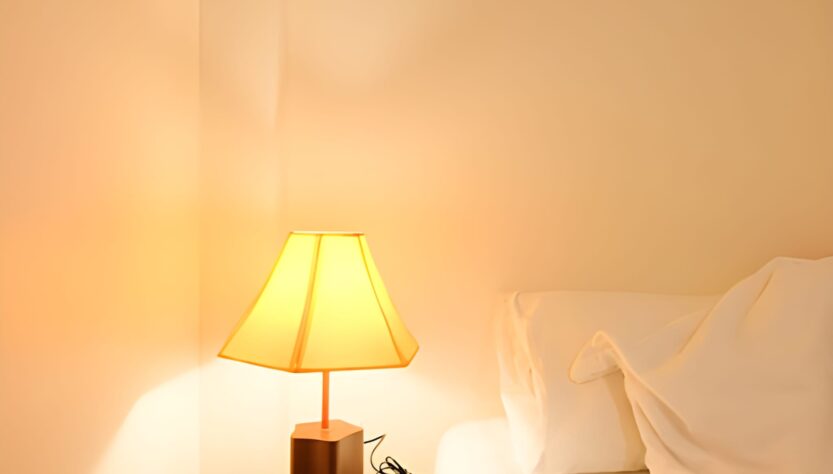
There’s something genuinely special about the right bedside lamp. It’s not just about having light when you need it – it’s about creating the perfect ambiance in your bedroom, making it a sanctuary where you can wind down after a hectic day. And when it comes to bedside lighting, a wooden bedside lamp is an absolute ripper of a choice. Not only does it add warmth and character to your room, but it also brings a touch of natural elegance that just can’t be replicated with plastic or cold metal.
But here’s the thing – not all wooden bedside lamps are created equal. With so many styles, sizes, materials, and light quality options available, choosing the right one can feel a bit daunting. Whether you’re looking to upgrade your bedroom with a statement piece, need practical lighting for your nightstand, or want to add some rustic charm to your space, this guide will walk you through everything you need to know about selecting the ideal wooden bedside lamp for your room.
Why Choose a Wooden Bedside Lamp?
Before we dive into the how-to of selecting the perfect lamp, let’s talk about why a wooden bedside lamp is such a brilliant choice for your bedroom in the first place.
Natural Warmth and Aesthetic Appeal: Wood brings an inherent warmth to any space. Unlike metal or plastic lamps, wooden bedside lamps create a cosy, inviting atmosphere that’s absolutely perfect for a bedroom. The natural grain and texture of wood add character and visual interest to your nightstand, elevating the entire look of your room.
Durability and Longevity: Quality wooden lamps are built to last. If you invest in a well-made wooden bedside lamp, you’re looking at something that’ll serve you for years, even decades. Wood doesn’t deteriorate like plastic does, and it’s far less likely to crack or break compared to ceramic or glass.
Versatility with Décor: Whether your bedroom has a modern, minimalist aesthetic, a cosy farmhouse vibe, a Scandinavian feel, or something more traditional, there’s a wooden bedside lamp that’ll fit perfectly. Wood works beautifully with virtually any design style.
Environmental Considerations: Many wooden lamps are made from sustainably sourced timber, making them a more environmentally conscious choice than synthetic alternatives. Plus, wood is biodegradable and recyclable, which is a genuine bonus if you care about sustainability.
Better Light Quality: Many wooden bedside lamps are designed with natural linen or fabric shades that filter light beautifully, providing warm, soft illumination that’s far better for your sleep cycle than harsh, bright light.
Determining Your Room’s Style
The first step in choosing the perfect wooden bedside lamp is understanding your bedroom’s style and aesthetic. Your lamp should complement your existing décor, not clash with it.
Modern and Minimalist: If your bedroom features clean lines, neutral colours, and a minimalist approach, look for wooden bedside lamps with simple, geometric designs. Natural wood in light finishes like birch or ash works beautifully here. Avoid ornate designs – keep it simple and elegant.
Scandinavian and Nordic: Scandinavian design loves natural materials, and a light-coloured wooden bedside lamp is absolutely perfect for this style. Look for lamps with simple construction, tapered legs, and linen shades. The Nordic aesthetic appreciates understated elegance.
Rustic and Farmhouse: If your bedroom has a cosy, rustic feel, go for heavier wooden lamps with darker finishes. Reclaimed wood, distressed finishes, and lamps with more substantial bases work beautifully. These lamps should feel substantial and grounded.
Contemporary and Industrial: Wood can work in contemporary spaces too! Pair wooden elements with metal accents (like a brass or black metal base) for an interesting contrast. This fusion of materials creates visual interest while maintaining sophistication.
Traditional and Classic: For traditional bedrooms, wooden lamps with turned wood elements, perhaps with decorative bases or more ornate shades, work perfectly. These lamps typically have a timeless quality that enhances classic bedroom design.
Understanding Wood Types and Finishes
Not all wood is the same, and understanding different wood types helps you make a better choice.
Hardwoods vs Softwoods: Hardwoods like oak, walnut, and beech are denser and more durable, making them excellent choices for bedside lamps. Softwoods like pine are lighter in colour and more susceptible to damage, but they’re often more affordable. For a bedside lamp, hardwoods are generally the better investment.
Light Woods: Birch, ash, and maple create a bright, Scandinavian feel. These woods age beautifully and work well in modern, minimalist spaces. They’re typically more durable and less prone to visible scratching.
Dark Woods: Walnut, mahogany, and teak offer richness and depth. These woods work beautifully in rustic, traditional, or eclectic bedrooms. They hide dust and minor imperfections better than light woods.
Reclaimed and Salvaged Wood: If you’re after something truly unique, reclaimed wood lamps offer character and history. These are brilliant for rustic or industrial aesthetics, though they tend to be pricier.
Finishes: Wood can be finished naturally (showing the grain beautifully), stained (adding colour while still showing grain), painted (covering the wood entirely), or treated with various protective coatings. Natural and stained finishes typically complement bedrooms better than painted wood, as they maintain that warmth you’re after.
Size and Proportions
Getting the size right is absolutely crucial. Your wooden bedside lamp should be proportionate to your nightstand and the overall space.
Lamp Height: A good rule of thumb is that your lamp (including the shade) should be approximately the same height as an open hand when your arm is raised. This usually translates to somewhere between 45-60 centimetres tall. The idea is that when you’re lying in bed, the light source should be at or slightly above eye level, not shining directly in your eyes.
Base Width: The lamp’s base should be proportionate to your nightstand size. On a small, narrow nightstand, a lamp with a wide, heavy base will look awkward. Conversely, a tiny lamp base on a large nightstand looks out of scale. Aim for a base that takes up roughly 20-30% of your nightstand’s surface area.
Shade Size: The shade should be proportionate to the base. A massive shade on a delicate base looks unbalanced, and vice versa. The shade diameter should typically be about one-third the lamp’s total height.
Space Constraints: Consider the space around your lamp. Do you have room for a lamp with a wider base, or are you working with limited nightstand space? Some wooden bedside lamps have narrower footprints, which is brilliant if you’re short on space.
Evaluating Light Quality and Brightness
This is where a lot of people get it wrong. The most beautiful lamp in the world won’t work if it doesn’t provide adequate light.
Brightness Levels: Bedside lamps typically don’t need to be super bright – you want ambient lighting, not task lighting. Look for lamps rated between 40-60 watts, or around 400-600 lumens if checking LED equivalents. This provides gentle illumination without being overwhelming.
Adjustable Features: A lamp with a dimmer switch or adjustable brightness is absolutely brilliant. This lets you create the perfect ambiance for different times – brighter light if you’re reading, dimmer light for winding down before sleep.
Colour Temperature: This is genuinely important for sleep quality. Warmer light (around 2700K, which appears yellowish) is far better for bedtime than cool blue light (5000K+), which can interfere with melatonin production and disrupt your sleep. Look for lamps with warm-coloured bulbs or LED options that provide warm light.
Shade Material: The shade makes a massive difference. Linen, cotton, and fabric shades diffuse light beautifully, creating a soft glow. Avoid bare bulbs or shades that allow too much direct light. The shade should allow light through but soften and spread it across your room.
Light Direction: Some wooden bedside lamps direct light upward (bouncing off the ceiling), while others direct it downward or sideways. Upward-facing light is generally better for ambient bedroom lighting, while downward-facing is useful if you need to read.
Weight and Stability
This might seem obvious, but stability is genuinely important in a bedside lamp.
Base Weight: Your lamp should be heavy enough that you can’t accidentally knock it over when reaching for your phone or moving around in bed. A flimsy lamp is not only dangerous but also frustrating. Quality wooden lamps typically have weighted bases that provide proper stability.
Wobble Test: If you’re shopping in-store, gently try to rock the lamp. It shouldn’t wobble or feel unstable. If it does, keep looking.
Nightstand Surface: Consider your nightstand’s surface. If you have a small, unstable nightstand, you’ll want a lamp with a particularly stable, weighted base. Conversely, if you’ve got a solid wooden nightstand, you can afford a slightly lighter lamp.
Cable Management: Check where the power cable exits. Ideally, it should exit from the back or side, not directly under where the lamp sits, as this can reduce stability.
Power Source Options
Most traditional wooden bedside lamps are mains-powered, but there are other options worth considering.
Mains-Powered Lamps: These are the standard option. They’re reliable, don’t require charging, and generally offer better light quality. The downside is you need an outlet near your nightstand, which might mean running a cable.
USB-Powered Lamps: Some modern wooden bedside lamps can be powered via USB, which is brilliant if your bedside table is near a USB outlet or you’re happy to use a power bank. These are typically less bright but great for reading in bed.
Battery-Powered Lamps: These offer maximum flexibility and are perfect if you don’t have nearby power outlets. The downside is you’ll need to recharge or replace batteries regularly. These are better as supplementary lighting rather than your primary bedside lamp.
LED vs Traditional Bulbs: LED bulbs are more energy-efficient, last longer, and generate less heat than traditional incandescent bulbs. They’re genuinely the better choice for a bedside lamp. Most modern wooden lamps come LED-ready or with LED bulbs included.
Budget Considerations
Wooden bedside lamps come in a huge range of prices, from budget-friendly options around $30-50 to high-end designer pieces costing several hundred dollars.
Budget-Friendly Options ($30-80): You’ll find decent wooden bedside lamps in this range, typically made from softwoods or veneered chipboard. They work well for renters or if you’re just testing out the style. Don’t expect them to last decades, but they’re perfectly serviceable.
Mid-Range Options ($80-200): This is where you get genuinely good quality. Solid hardwoods, better construction, and more attention to design. These lamps will last for years and really elevate your bedroom’s look.
Premium and Designer Pieces ($200+): High-end wooden bedside lamps often feature rare woods, exceptional craftsmanship, and sometimes limited production. These are investment pieces that should last indefinitely.
Value for Money: Generally, spending a bit more upfront on a quality wooden bedside lamp is worth it. It’ll last longer, look better, and ultimately give you more satisfaction. That said, don’t feel pressured to spend big money – a $100-150 lamp from a reputable retailer will serve you beautifully.
Where to Shop for Wooden Bedside Lamps
Finding the right shop makes a genuine difference.
Online Retailers: Websites like Catch, The Iconic, Temple & Webster, and furniture-specific sites offer huge ranges. The advantage is choice; the disadvantage is you can’t see and feel the lamp before buying.
Department Stores: Myer and David Jones stock wooden bedside lamps in their homewares sections. You can see them in person, and customer service is usually helpful.
Specialty Lighting Retailers: Dedicated lighting shops often have knowledgeable staff who can help you understand light quality and specific features. It’s worth visiting if there’s one near you.
Furniture and Homewares Stores: IKEA, Spotlight, and similar stores carry budget to mid-range wooden bedside lamps with decent quality.
Local Craftspeople: Supporting local woodworkers and artisans is brilliant. You often get unique pieces, better quality, and the satisfaction of supporting Australian makers.
Markets and Vintage Shops: If you’re after something unique and don’t mind a bit of character and patina, markets and vintage shops often have fantastic wooden lamps.
Key Features to Look For
Before making your final decision, ensure your chosen lamp has these important features:
Stable Base: Non-slip feet prevent the lamp from sliding on your nightstand. This is genuinely important.
Quality Shade: The shade should be well-constructed, with even stitching and sturdy seams. It should allow light through while softening it.
Proper Wiring: Look for lamps with properly insulated wiring and safety certifications. This isn’t something to scrimp on.
Easy Bulb Access: You should be able to easily access the bulb to replace it. Some lamp designs make this unnecessarily difficult.
Switch Accessibility: The switch should be easy to reach and operate, ideally from bed without needing to sit up or reach awkwardly.
Proper Ventilation: The shade should allow heat to escape from the bulb, especially if using incandescent or halogen bulbs. This prevents overheating and potential fire hazards.
Final Tips for Making Your Decision
Take your time with this decision. Here are some final pointers:
• Visit stores if possible to see and feel different options. Lighting can look different in photos than in person.
• Consider your room’s current colour palette. The wood tone should complement, not clash with, existing furniture.
• Think about the lamp’s longevity. Will this style still appeal to you in five years? Choose something timeless rather than trendy.
• Don’t sacrifice function for form. A beautiful lamp that doesn’t provide adequate light won’t serve you well.
• Check return policies when buying online. You want the option to return if it doesn’t work in your space.
• Consider getting a dimmer switch installed if you don’t already have one. This dramatically increases a lamp’s versatility.
Conclusion
Choosing the perfect wooden bedside lamp is genuinely about finding the right balance between aesthetics, functionality, and practicality. The right lamp will transform your bedside table, create a warm and inviting bedroom atmosphere, and potentially last you for years. Whether you go for a minimalist Scandinavian design, a rich and rustic piece, or something contemporary and unique, investing time in making the right choice will pay dividends every single night you use it.
Remember, your bedroom should be your sanctuary – a place where you feel comfortable and at ease. The right wooden bedside lamp is a key part of creating that perfect environment. Take your time, consider your needs, and don’t settle for less than what feels right. Give it a go, and you’ll find that the perfect wooden bedside lamp is out there waiting for you. Sweet dreams and perfect lighting!
Have you found the perfect wooden bedside lamp? Share your experience and tips in the comments below – we’d love to hear about your choice and how it’s transformed your bedroom!