In Ontario, a licensed cannabis retailer operates under provincial permission to sell recreational cannabis at a particular storefront. An unlicensed seller lacks the authorisation required for that retail activity, even if its premises or website looks professional. Before choosing a cannabis store in Toronto, adults can check more than its reputation: retail authorisation determines which sourcing rules, age checks and regulatory obligations apply. Licensing does not guarantee that every product is harmless or every transaction flawless, but it establishes an accountable legal framework that unauthorised sellers cannot claim.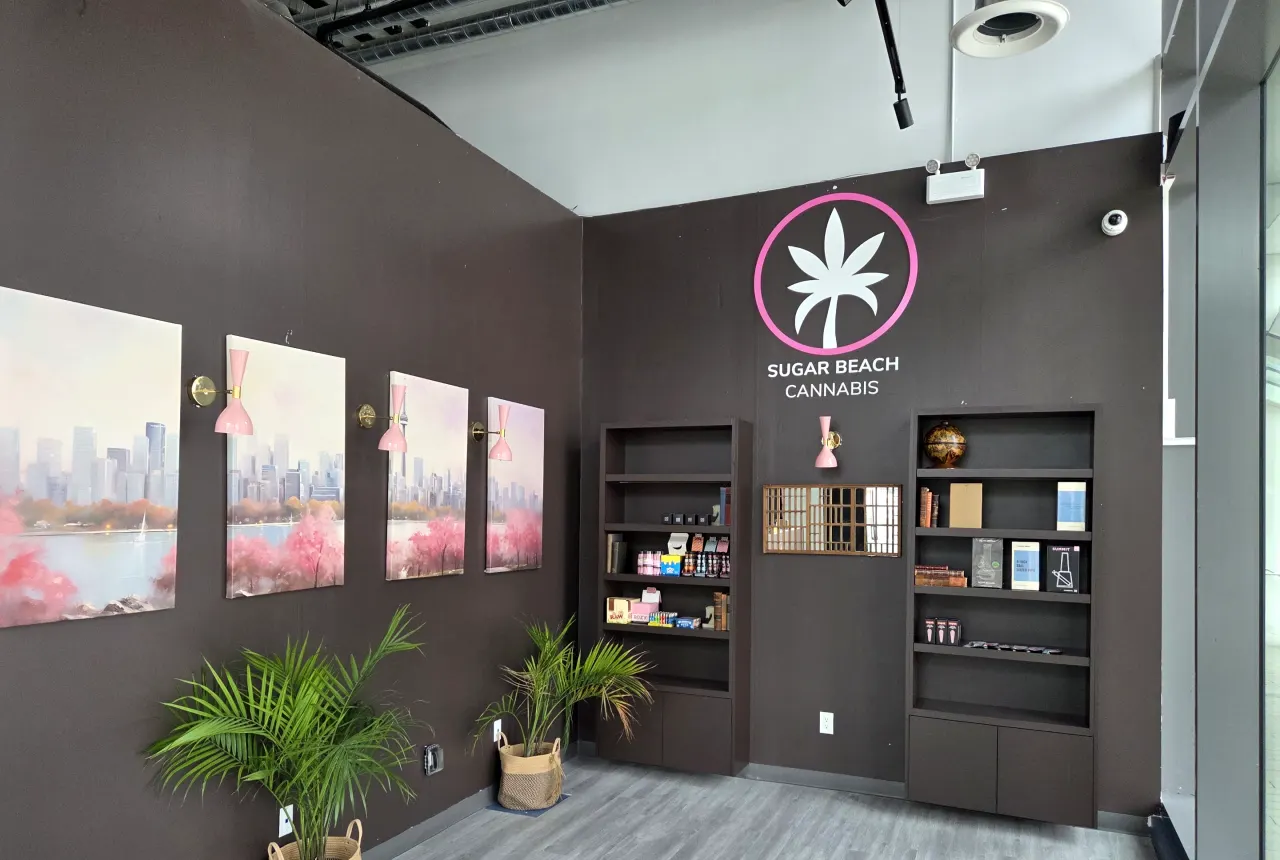
Legal Permission Depends on the Retail Activity
Canada’s legalisation of recreational cannabis did not create unrestricted permission to sell it. Ontario regulates private retail through the Alcohol and Gaming Commission of Ontario (AGCO). Retail businesses must hold the appropriate licence, and individual storefronts require their own authorisation. An unlicensed retailer sells without the permission that the activity requires.
The distinction concerns commercial recreational sales. It does not mean that every person possessing cannabis, every website discussing it, or every participant in the separate medical system operates an unlicensed shop. Assess the actual activity and applicable rules before attaching that description.
Operator Licensing Is Not Store Authorization
Ontario’s framework distinguishes three permissions:
-
Retail Operator Licence: Establishes eligibility for a business or person to operate cannabis retail activities, subject to applicable conditions.
-
Retail Store Authorization: Permits cannabis sales at the specified retail premises once the authority issues it.
-
Cannabis Retail Manager Licence: Applies to individuals performing certain management responsibilities in an authorised shop.
For consumers, the second permission deserves particular attention. An operator with one authorised Toronto storefront does not automatically gain permission to open another. Likewise, an application or proposed opening does not establish that a location can begin selling. Retailers must continue meeting applicable conditions after receiving permission.
Legal Products Follow a Regulated Supply Chain
Authorised Ontario retailers obtain recreational cannabis products through the province’s exclusive wholesale system. That distributor purchases cannabis from federally licensed producers. The resulting chain connects production, distribution and storefront sales through identifiable regulated organisations.
In contrast, an unauthorised seller may offer products whose origin, processing or handling a customer cannot independently verify. It would be inaccurate to assume that every such product came from the same source or contains a particular contaminant. The meaningful difference is whether the product entered the established system of lawful sourcing and accountability.
A licensed shop cannot simply acquire recreational cannabis inventory from a neighbour, informal supplier, or unrelated retailer because the price looks attractive. Its sourcing obligations remain separate from the rules governing ordinary accessories, which can follow different purchasing arrangements.
Production Controls Are Not Safety Guarantees
Federal cannabis rules impose good production practices, quality assurance, and relevant testing requirements on licensed production and processing. These include controls for chemical and microbial contaminants and mandatory testing for specified pesticide ingredients. Producers and processors must maintain records and meet requirements before eligible products enter commercial channels.
Individual retail clerks do not personally test every package. Instead, production obligations and documented supply-chain procedures establish checks upstream. A legal product can still carry health risks, and regulators can identify problems requiring corrective action. Conversely, the absence of verifiable regulatory records for an unregulated product does not prove contamination; it means shoppers cannot rely on the same documented safeguards.
Packaging Makes Product Information More Verifiable
Legal recreational cannabis products must follow applicable federal packaging and labelling rules. These requirements support consistent identification and warnings rather than guaranteeing a particular consumer experience. By contrast, packaging from an unauthorised source may omit essential details or imitate official features without demonstrating compliance.
Customers can examine several indicators:
-
THC and CBD declarations: Labels identify relevant cannabinoid quantities or concentrations, with units that depend on product format.
-
Net contents and identification: Packages provide product quantity and identifying information that can assist with verification.
-
Health warnings and symbols: Applicable products carry required warnings and the standardised cannabis symbol.
-
Child-resistant features: Federal packaging rules require child-resistant containers, subject to applicable product requirements and exceptions.
-
Excise stamps: Most packaged legal cannabis products require appropriate stamps, although certain categories qualify for exceptions.
A missing expected element deserves clarification. However, no single feature proves that the seller holds retail authorisation: counterfeit packaging can imitate legitimate markings, and an excise stamp primarily concerns the product’s tax and regulatory framework. Verify the storefront independently. Consumers comparing packages should also check units and total quantities: a percentage for dried flower differs from milligrams on an edible. A factual label enables comparison, whereas an unsupported slogan about strength does not.
Age Checks and Sales Limits Create Clear Obligations
Ontario sets 19 as the minimum age for recreational cannabis purchasing. Authorised retailers must prevent underage entry and sales. When someone appears younger than 25, staff must request acceptable identification and confirm that the person meets the entry requirement. Sales also carry applicable age-verification duties, although individual stores may organise their checks differently.
An unlicensed seller’s willingness to skip identification cannot make a transaction lawful. Equally, a website’s age-confirmation button does not establish that the retailer follows the rules for completing a sale or handing over an order.
Legal retail transactions also face quantity restrictions: an adult cannot purchase more than 30 grams of dried cannabis, or the equivalent in other forms, in a single transaction. Product formats use different equivalency calculations. Other possession and consumption restrictions continue after purchase, regardless of the store’s status.
Regulatory Oversight and Traceability Differ
Authorised businesses operate within a system of inspections, recordkeeping, operating standards and potential enforcement. The AGCO oversees Ontario’s private cannabis retail requirements, while federal authorities regulate relevant production and product obligations. Those responsibilities create identifiable channels for assessing noncompliance; they do not mean that regulators individually approve every sale.
Traceability matters when an issue affects a particular batch. Product identification and supply-chain records can help producers, distributors, retailers and regulators determine which packages require attention. Health Canada maintains cannabis-related recall information, and regulated businesses have duties concerning recall management.
An unauthorised product may lack dependable documentation connecting it to a producer and batch. That can make it harder to determine whether a published recall concerns the item. Even within the legal system, customers should check available recall notices rather than assume they will personally receive notification.
Accountability Does Not Guarantee Customer Satisfaction
Retail authorisation establishes legal obligations, not a promise of excellent service or automatic refunds. Stores can have different return policies, and an unpleasant interaction does not necessarily constitute a regulatory breach. Consumers should separate concerns about licensing and compliance from ordinary disputes over service, availability or payment.
Prices and Online Claims Cannot Prove Licensing
Legal retail prices reflect factors that can include regulated sourcing, applicable taxation and commercial operating costs. An unusually low price may justify further checking, but it does not independently establish unlawful selling. Similarly, high prices, favourable reviews or attractive premises cannot prove that a retailer is authorised.
The same distinction applies online. Authorised Ontario storefronts can operate online ordering arrangements and, subject to rules, offer collection or retailer delivery. Not every lawful store provides each service. Consumers should verify the physical location and its authorisation rather than assume every private ordering website is illegal or every delivery advertisement is legitimate.
Common warning signs include conflicting addresses, unsupported claims of government endorsement, and a retailer presenting ordinary business registration as cannabis retail permission. A generic registration document is not a substitute for a Retail Store Authorization. For delivery, applicable identity-checking and handover rules still matter. A promise to leave cannabis unattended without checking the recipient deserves closer scrutiny.
How Adults Can Verify a Toronto Retailer?
Use the AGCO’s official authorised-store information as the starting point. An advertisement, map listing, or social profile can help locate a shop, but none replaces the regulator’s record.
-
Identify the exact physical storefront and its operating name.
-
Find the AGCO’s current list of authorised Ontario cannabis stores.
-
Compare the listed name and street address with the location being assessed.
-
Check the relevant authorisation information and whether the location can operate, rather than relying on an application or proposed opening.
-
Look for Ontario’s official cannabis retail seal, which authorised shops must display visibly from the public entrance.
-
Resolve substantial mismatches through official information before relying on a licensing claim.
A copied seal photograph is not conclusive proof, particularly on a third-party website. Changes of name, address, or ownership can also make older listings misleading without necessarily establishing wrongdoing. When a material discrepancy remains, verify through the regulator before purchasing.
Conclusion
The central difference between licensed and unlicensed cannabis retailers is verifiable legal permission, supported by regulated sourcing, product information, age controls, and oversight. Those obligations create more transparent ways to assess where cannabis came from and how a retailer operates, but they do not remove every product or service risk. For a Toronto location, check the specific Retail Store Authorization against official provincial information. Advertising, customer ratings, prices, and packaging can provide context; none should replace current, independent official confirmation of the store’s legal status.