
Gapasign 600 mg in refers to a prescription medication used for specific neurological conditions under medical supervision. Safe administration, appropriate monitoring, and adherence to professional instructions support effective treatment while helping reduce unnecessary risks. Clear information about its therapeutic role, possible side effects, precautions, and responsible use enables patients to make informed decisions and participate actively in their healthcare plan.
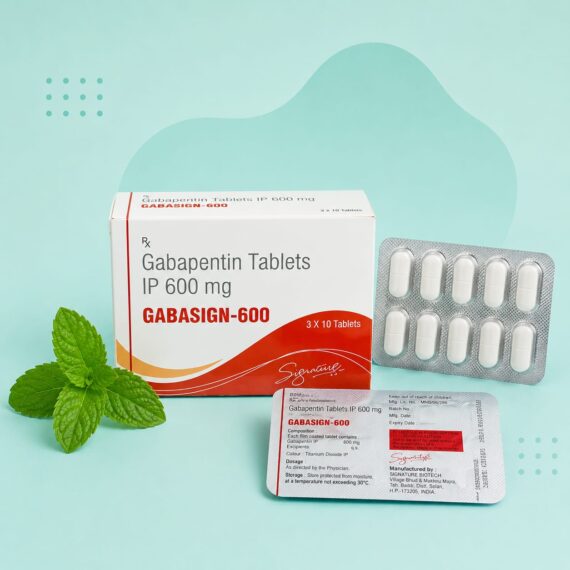
What is Gapasign 600 mg USA?
Gapasign 600 mg USA contains gabapentin, a medication that influences nerve signaling within the body. Healthcare professionals prescribe it for selected conditions after reviewing symptoms, medical history, current medications, and overall health status.
Although many patients receive this medicine for nerve-related disorders, treatment plans remain highly individualized. Consequently, one dosage schedule may not suit every person, even when diagnoses appear similar.
Careful assessment before therapy supports appropriate medication selection and improves the likelihood of successful symptom management.
How the Medication Works
Gabapentin affects certain nerve pathways involved in transmitting abnormal electrical signals. As a result, it may help reduce symptoms associated with specific neurological conditions.
However, treatment response varies among individuals. Therefore, regular follow-up appointments remain essential throughout therapy.
Approved Medical Uses
Healthcare professionals prescribe gabapentin for several recognized medical conditions based on clinical evaluation.
Common uses may include:
- Management of certain types of nerve pain
- Adjunctive treatment for partial seizures
- Relief of pain following shingles
- Treatment plans involving neuropathic discomfort
- Individualized neurological symptom management
Each therapeutic decision depends on medical assessment rather than symptoms alone. Moreover, clinicians evaluate benefits and potential risks before prescribing the medication.
Individualized Treatment Planning
Every patient presents unique healthcare needs.
Consequently, healthcare providers consider age, kidney function, existing illnesses, and concurrent medications before determining an appropriate dosage strategy.
Potential Benefits
When prescribed appropriately, Gapasign 600 mg USA may contribute to improved symptom control for eligible patients.
Possible benefits include:
- Reduced nerve-related discomfort
- Improved daily functioning
- Better participation in routine activities
- Supportive seizure management when indicated
- Enhanced quality of life for selected patients
Treatment expectations differ according to diagnosis and individual response. Furthermore, healthcare professionals monitor progress regularly to determine whether therapy remains effective.
Realistic Treatment Goals
Medication aims to improve symptom control rather than provide identical outcomes for every patient.
Therefore, ongoing communication with healthcare professionals supports realistic expectations and appropriate treatment adjustments.
Proper Administration
Patients should take medication exactly as prescribed and avoid changing the dosage independently.
Healthcare professionals determine appropriate schedules based on several factors, including symptom severity, treatment response, and kidney function.
Responsible medication use supports consistent therapeutic effects while reducing avoidable complications.
Helpful Daily Habits
Simple routines encourage better adherence:
- Take doses at the prescribed time.
- Follow administration instructions carefully.
- Keep medication in its original container.
- Maintain scheduled follow-up visits.
- Record any unusual symptoms.
- Inform healthcare providers about treatment changes.
These practices promote safer long-term medication use.
Precautions Before Starting Therapy
A detailed medical evaluation helps identify factors that may influence treatment safety.
Patients should discuss:
- Kidney disease
- Heart conditions
- Respiratory disorders
- History of depression
- Previous allergic reactions
- Pregnancy plans
- Breastfeeding status
- Current medications and supplements
Complete disclosure allows healthcare professionals to make informed prescribing decisions.
Importance of Medical Communication
Open communication strengthens treatment safety.
Moreover, reporting changes in health status promptly allows clinicians to reassess therapy whenever necessary.
Possible Side Effects
Like many prescription medications, Gapasign 600 mg USA may produce side effects that differ among individuals.
Frequently reported effects include:
- Dizziness
- Drowsiness
- Fatigue
- Blurred vision
- Dry mouth
- Swelling of extremities
- Coordination difficulties
- Weight changes
Many mild reactions improve as treatment continues. Nevertheless, persistent symptoms deserve medical evaluation.
Serious Symptoms Requiring Attention
Patients should seek immediate medical care if severe allergic reactions, breathing problems, facial swelling, significant mood changes, or unusual behavioral symptoms occur.
Prompt evaluation supports timely medical intervention and safer outcomes.
Drug Interactions
Medication interactions may influence effectiveness or increase adverse effects.
Healthcare professionals should know about all products a patient uses, including:
- Prescription medicines
- Over-the-counter products
- Herbal supplements
- Vitamins
- Sleep medications
- Pain relievers
Maintaining an updated medication list helps reduce preventable interaction risks.
Alcohol and Sedation
Alcohol may increase drowsiness and impair coordination when combined with gabapentin.
Consequently, patients should follow professional recommendations regarding alcohol consumption during treatment.
Special Populations
Certain patient groups require closer monitoring.
Older adults may experience increased sensitivity to dizziness or balance problems. Similarly, patients with reduced kidney function often require individualized dosing adjustments.
Children should receive treatment only according to appropriate medical recommendations for their condition.
Pregnancy and Breastfeeding
Pregnant individuals should discuss potential benefits and risks with their healthcare provider before starting or continuing therapy.
Likewise, breastfeeding decisions require individualized assessment that considers both maternal health needs and infant safety.
Storage Recommendations
Proper storage helps preserve medication quality.
Recommended practices include:
- Store according to labeled instructions.
- Protect from excessive moisture.
- Avoid direct heat exposure.
- Keep medication in the original packaging.
- Place out of reach of children.
- Dispose of expired medicine responsibly.
Correct storage supports product integrity throughout its intended use period.
Safe Disposal
Unused medication should never be shared with another person.
Responsible disposal reduces accidental exposure and promotes household safety.
Importance of Regular Follow-Up
Routine medical appointments allow healthcare professionals to monitor treatment progress and identify potential concerns.
During follow-up visits, clinicians may:
- Review symptom improvement
- Evaluate medication tolerance
- Assess side effects
- Consider dosage adjustments
- Review kidney function when appropriate
- Answer patient questions
Regular evaluation contributes to safer and more effective therapy.
Patient Participation
Active involvement strengthens treatment success.
Patients should report unexpected symptoms, attend scheduled appointments, and follow prescribed instructions consistently.
Lifestyle Factors That Support Therapy
Medication often works best when combined with healthy daily habits.
Healthcare professionals may encourage:
- Balanced nutrition
- Appropriate physical activity
- Consistent sleep routines
- Stress management techniques
- Adequate hydration
- Regular health monitoring
These supportive measures may complement prescribed treatment and improve overall well-being.
Building a Consistent Routine
Daily organization reduces missed doses and medication errors.
Helpful strategies include setting reminders, keeping medicines organized, and reviewing prescriptions regularly with healthcare professionals.
Consistency supports treatment continuity and responsible medication management.
Conclusion
Gapasign 600 mg USA may provide therapeutic value for selected neurological conditions when prescribed and monitored appropriately. Responsible use includes following medical instructions, recognizing possible side effects, maintaining regular follow-up appointments, and communicating openly with healthcare professionals. Individualized treatment plans, healthy lifestyle habits, and consistent medication adherence work together to support safer care and better long-term health outcomes.